The housing market is currently seeing a significant shift as home loan applications have fallen, directly correlating with mortgage rates reaching their highest levels in over a year. The Mortgage Bankers Association recently reported a 2.9% drop in mortgage applications on a seasonally adjusted basis from the previous week. This decline is largely due to the average contract interest rate for a 30-year fixed-rate mortgage with conforming loan balances, which climbed to 7.02% from 6.94%. This marks the highest rate observed since November 2023, with the effective rate, including points, also rising to 7.21%.
This increase in borrowing costs is clearly sidelining many potential buyers and those looking to refinance. Refinance applications saw a 5% decrease from the prior week and were 12% lower compared to the same period last year. Similarly, purchase applications were down 2% week over week and a more substantial 18% lower than the same week a year ago. Joel Kan, MBA’s Deputy Chief Economist, highlighted that rates moving above 7% are significantly impacting both affordability and overall demand in the market. Interestingly, the average loan size for purchase applications decreased to $400,000, which might suggest that first-time buyers or those seeking smaller loan amounts are still active, but the higher rates are undoubtedly a major hurdle for many.
The outlook from the MBA suggests that interest rates are likely to remain elevated for an extended period, which could keep demand subdued for the foreseeable future. This perspective is heavily influenced by the Federal Reserve's ongoing battle with inflation and their cautious approach to potential rate cuts. Recent economic data, including robust job growth and inflation figures that are still above the Fed's target, indicate that any anticipated rate cuts might be delayed. This "higher for longer" interest rate environment is a critical factor shaping current market conditions.
In summary, I think what stands out here is the direct and immediate impact that even slight increases in mortgage rates have on buyer activity. It really underscores how sensitive the housing market is to borrowing costs and the broader economic picture. Our local market appears to still be very healthy, but changing, mostly leaning towards a better buyer / seller balance. How that translates to specific sectors of housing price points, types and locations is another topic, but we are seeing more inventory and more over priced, blah homes sitting longer.

Rates Climb, Applications Drop
2 min read·Aug 10, 2026Neet help with buying / selling process?
Serviing the New River Valley Area

Ever wonder what's really on the minds of renters? A new national survey reveals their top concerns and priorities, offering a crucial look into the rental market.

With fixed mortgage rates climbing past 7%, more homebuyers are turning to adjustable-rate mortgages (ARMs) to afford a home. This shift comes as overall mortgage applications continue to decline, reflecting a challenging market.

Real estate wire fraud is more sophisticated and frequent than ever, with AI making it incredibly difficult to detect. Learn how to protect your closing funds from these advanced scams.

Ever wonder what it really costs to live in Virginia? It's more than just your mortgage or rent payment. Your location and household size make a huge difference.

Real estate wire fraud is more sophisticated and frequent than ever, with AI making it harder to detect. Don't let your closing funds become a hacker's payday.
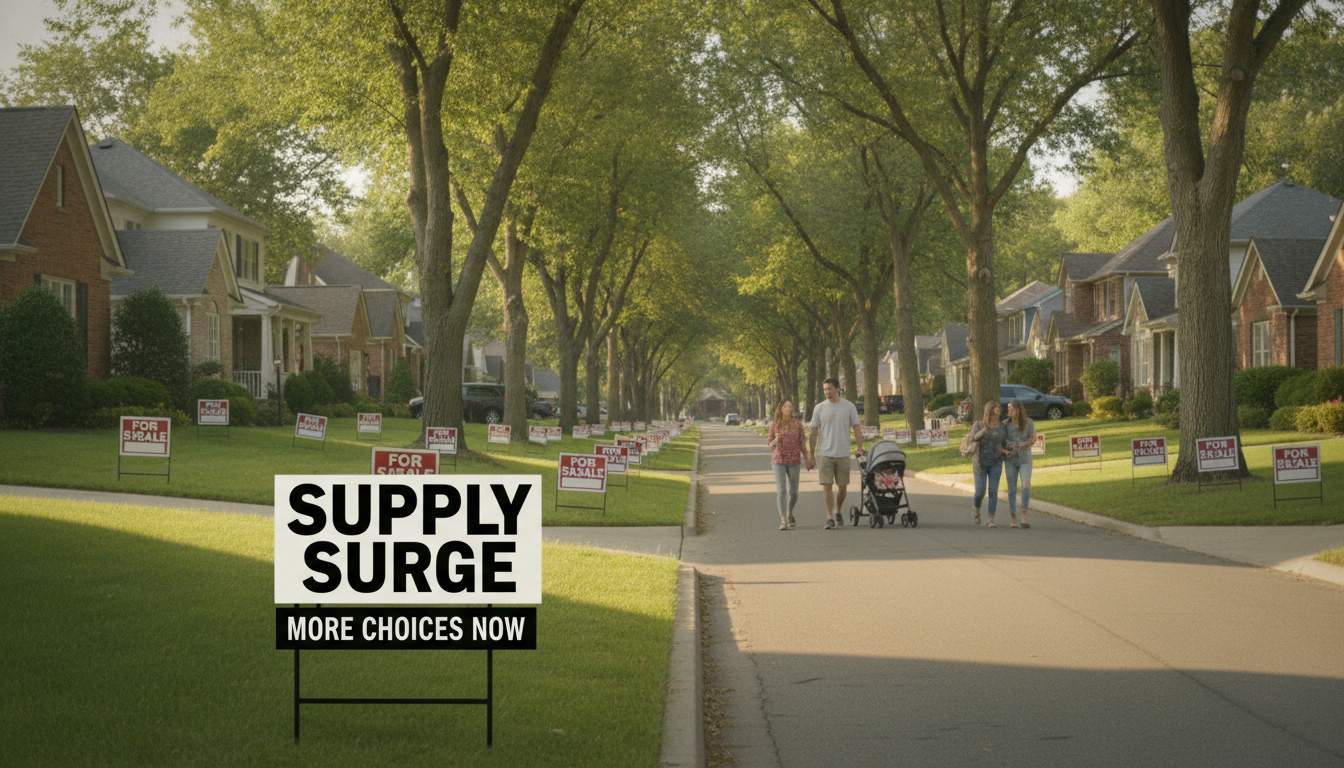
Existing home sales took another dip in August, marking a significant slowdown in the market. Meanwhile, the inventory of available homes has reached a decade-high, signaling a shift for buyers.
