Real estate wire fraud, where hackers intercept communications and redirect closing funds, is becoming increasingly prevalent and harder to spot. Tyler Adams, CEO of CertifID, notes that homebuyers are experiencing this fraud at an alarming rate. The nature of closings involving large sums, electronic communication between parties who often haven't met and publicly available information, makes them prime targets. CertifID's 2026 State of Wire Fraud Report indicates that 22% of homebuyers receive fraudulent communications and a significant majority of title professionals believe fraud is increasing and becoming more sophisticated. The financial impact is substantial, with cyber enabled fraud leading to $13.7 billion in reported losses in 2024 and real estate fraud complaints increasing by 58% year-over-year, totaling over $275 million in reported losses.
The scam typically unfolds in a predictable sequence: a fraudster gains access to an email account, monitors transaction details and waits until 24-48 hours before closing. At this critical, high stress time, they send updated wiring instructions via email or phone, containing accurate transaction details but a changed bank account number. The buyer, under pressure, wires funds to the fraudster's account. Discovery often comes when the legitimate title company inquires about missing funds, by which point the money has usually been moved and is nearly impossible to recover.
What makes these scams particularly insidious now is the use of AI. Previously, red flags like misspelled domains or awkward phrasing would reveal impersonation attempts. AI has eliminated these warnings through voice cloning, which can mimic a title officer's voice from a few seconds of audio and deepfake video, making real time video verification unreliable. Additionally, AI can generate emails in the exact writing style and tone of the person being impersonated, removing any tell tale typos or grammatical errors.
Recovery is difficult because modern payment systems move money rapidly. Funds are often broken into smaller amounts and moved within hours of landing in a fraudster's account. While the FBI investigates mortgage wire fraud, success rates for recovery drop dramatically after 24 hours. Victims are advised to contact their financial institution immediately and request a recall of funds, but the realistic expectation is that money redirected by a convincing deepfake is often gone for good.
The most effective defense is an independent verification call. No AI tool can intercept a call you initiate to a number you've independently verified. Before closing day, obtain the title company's main phone number from their official website or original documents, never from an email. On the morning of the wire transfer, call this number, speak to your assigned escrow officer and verbally confirm all wiring details. If anything doesn't match, do not wire; call your agent and the title company's main number again. After sending the wire, always call to confirm receipt. Treat any email on closing day with changed wire instructions as fraudulent; do not act on it or reply, and contact your agent immediately. Independently verify all contact information for your title company and lender.
This is very real, proceed with caution!

AI Wire Fraud: Protect Your Closing
3 min read·Oct 8, 2026Neet help with buying / selling process?
Serviing the New River Valley Area

Ever wonder what's really on the minds of renters? A new national survey reveals their top concerns and priorities, offering a crucial look into the rental market.

With fixed mortgage rates climbing past 7%, more homebuyers are turning to adjustable-rate mortgages (ARMs) to afford a home. This shift comes as overall mortgage applications continue to decline, reflecting a challenging market.

Ever wonder what it really costs to live in Virginia? It's more than just your mortgage or rent payment. Your location and household size make a huge difference.

Existing home sales took another dip in August, marking a significant slowdown in the market. Meanwhile, the inventory of available homes has reached a decade-high, signaling a shift for buyers.

Nobody really wants to discuss the difficult task of clearing out a parent's home, but it's a conversation families should have sooner rather than later. Proactive planning can save a lot of stress and heartache down the road.
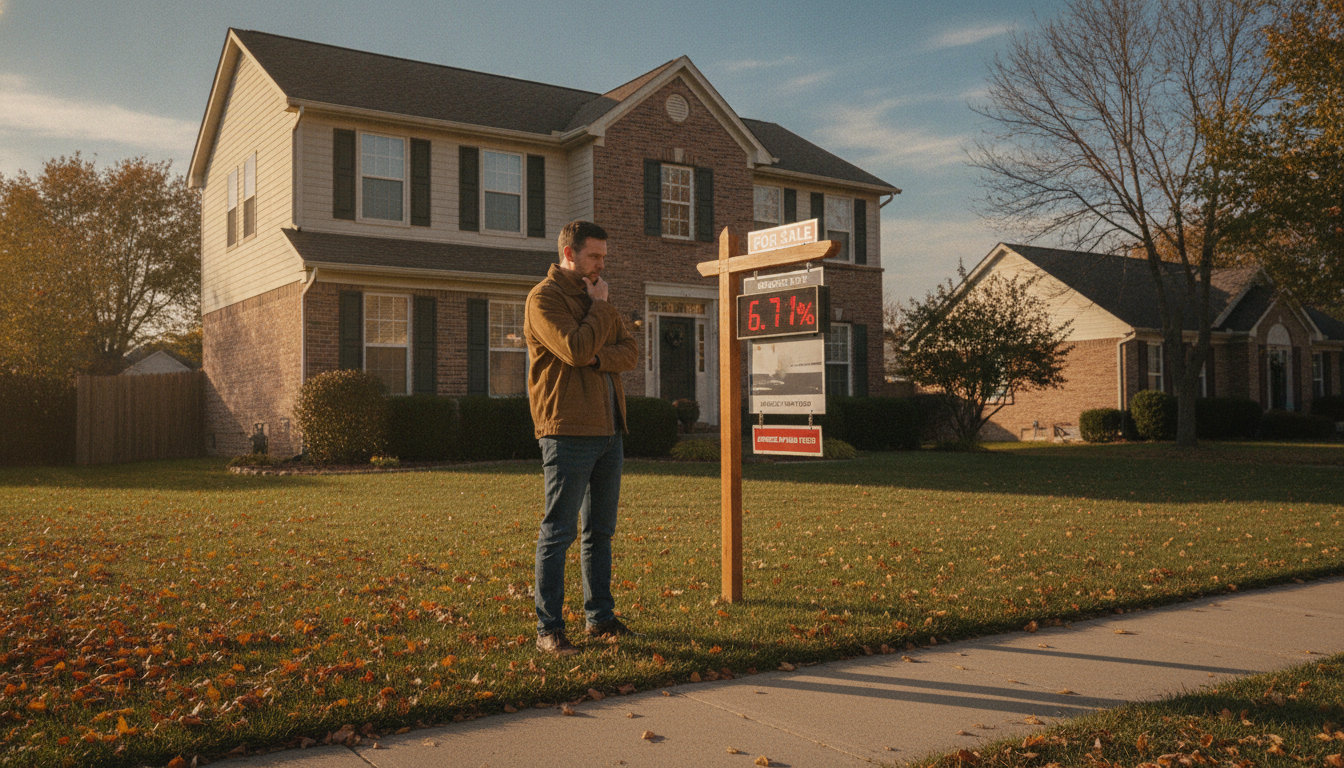
Mortgage rates just hit their highest point in over a year, sparking renewed inflation worries. What does this mean for buyers hoping for a calmer fall housing market?
