Living in Virginia means navigating a diverse range of expenses, with the overall cost of living sitting about 9% above the national average. While food and healthcare are only slightly higher (around 2% above average) and transportation and utilities are actually a bit lower (1% and 3% below, respectively), housing stands out as significantly more expensive, estimated at 26% above the national average. However, these statewide averages don't tell the whole story. The cost of living varies dramatically depending on where you are in Virginia. For instance, living expenses in Arlington are a staggering 37% higher than the national average, with Alexandria close behind at 26% higher. This is largely driven by housing costs, which are 106% above the national average in Arlington and 72% higher in Alexandria. In contrast, cities like Richmond, Roanoke and Martinsville actually boast living costs below the national average, with Richmond's housing costs estimated at 14% below.
To truly understand affordability, it's helpful to consider the income needed to cover basic expenses. According to the MIT Living Wage Calculator, a single adult in Virginia without children needs an estimated $53,505 annually before taxes. This figure jumps significantly with children: a single adult with one child needs about $87,726 and with two children, it rises to approximately $115,026. For households with two working adults, the combined income needed is $69,222 without children, $98,184 with one child and $121,475 with two children. These figures highlight that household income alone doesn't dictate affordability; the number of dependents and associated expenses are crucial.
Housing is a major expense, but it's just one part of the household budget. For a single adult, MIT estimates annual housing costs around $18,372 (about $1,531 monthly), with transportation adding $8,621, food $4,597 and medical expenses $3,468 annually. Childcare becomes a substantial expense when children are involved, estimated at $12,508 for one child and over $25,000 for two. These additional costs directly impact how much a household can allocate to housing, as funds must also cover these other necessities. Ultimately, Virginia's cost of living is a complex picture shaped by location, household size, income and individual expenses, all influencing where and how people choose to live.
I think what stands out here is how much location within Virginia can change your financial outlook. It's not just one 'Virginia cost' but many, and understanding these nuances is key to making informed decisions about where to call home. The old rule of thumb was 25% should be allocated towards housing, but its pretty clear in 2026, most of us are blowing that out of the water.

VA Living: Beyond Housing Costs
3 min read·Oct 5, 2026Neet help with buying / selling process?
Serviing the New River Valley Area

Ever wonder what's really on the minds of renters? A new national survey reveals their top concerns and priorities, offering a crucial look into the rental market.

With fixed mortgage rates climbing past 7%, more homebuyers are turning to adjustable-rate mortgages (ARMs) to afford a home. This shift comes as overall mortgage applications continue to decline, reflecting a challenging market.

Real estate wire fraud is more sophisticated and frequent than ever, with AI making it incredibly difficult to detect. Learn how to protect your closing funds from these advanced scams.

Real estate wire fraud is more sophisticated and frequent than ever, with AI making it harder to detect. Don't let your closing funds become a hacker's payday.
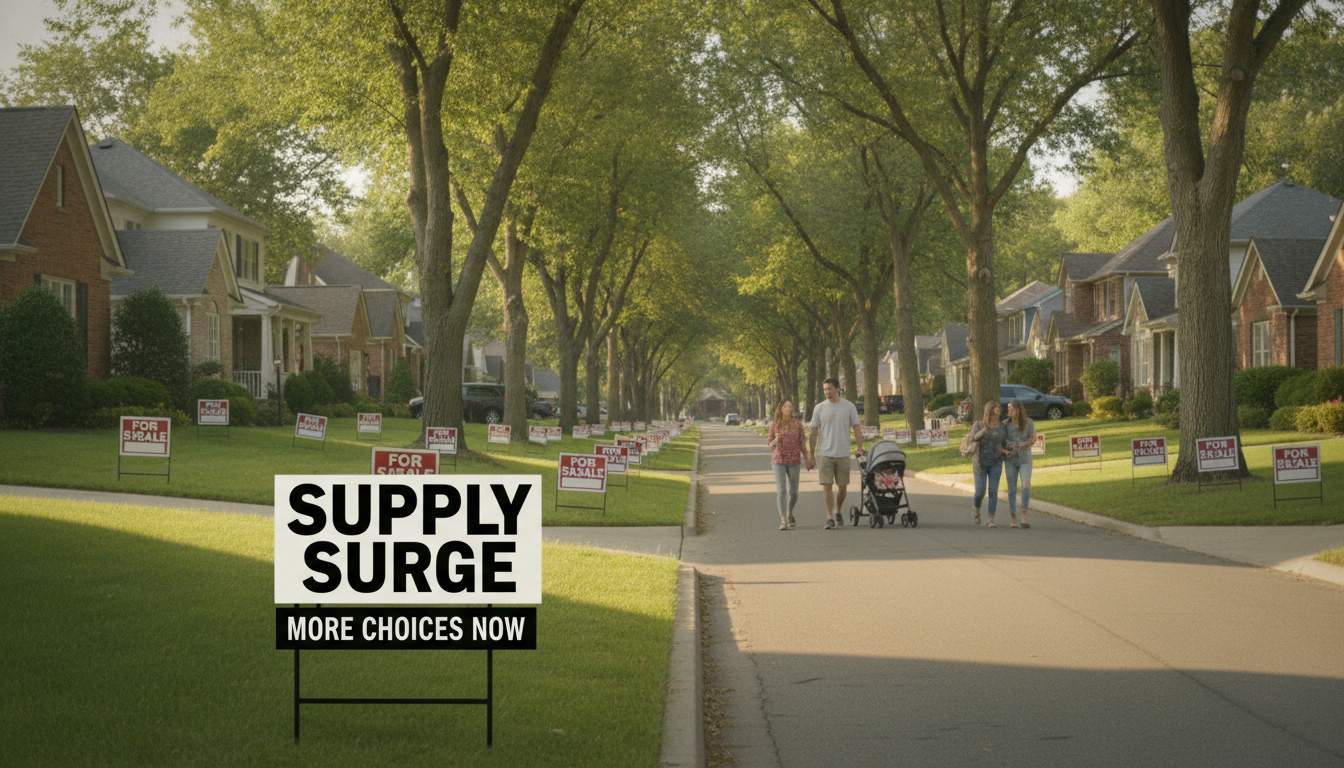
Existing home sales took another dip in August, marking a significant slowdown in the market. Meanwhile, the inventory of available homes has reached a decade-high, signaling a shift for buyers.

Nobody really wants to discuss the difficult task of clearing out a parent's home, but it's a conversation families should have sooner rather than later. Proactive planning can save a lot of stress and heartache down the road.
